
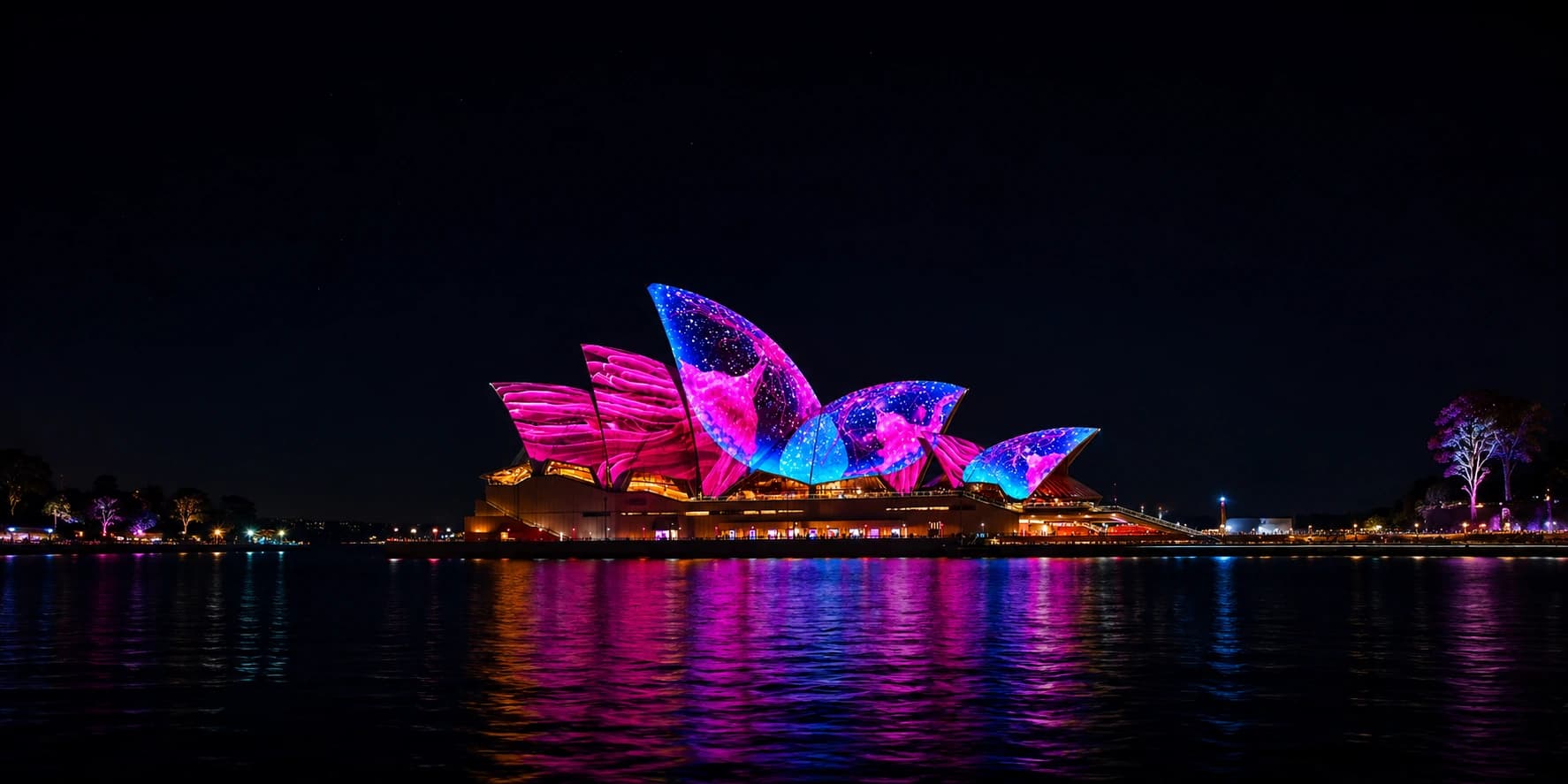
Transforming Buildings and Landscapes into Living Canvases
15 July 2026 - Cities and public spaces have always told stories through their architecture, monuments, and natural landscapes. Today, these familiar environments are evolving beyond their physical form, becoming immersive storytelling platforms that engage audiences in entirely new ways. Through advances in projection mapping and immersive technology, buildings, trees, cliffs, gardens, and other outdoor landmarks can be transformed into living canvases—spaces where digital creativity and the real world exist together to create unforgettable experiences.
Unlike conventional displays, immersive outdoor experiences embrace the character of their surroundings rather than hiding them. Every architectural detail, textured surface, and natural element becomes part of the narrative. A historic façade can appear to shift through different eras, a centuries-old tree can become the centerpiece of a luminous art installation, and an open public square can be transformed into a destination where visitors gather to witness stories unfold through light, motion, and sound. The environment itself becomes an active participant, making every experience unique to its location.
This approach has opened new creative possibilities across cultural festivals, tourism attractions, public celebrations, and experiential marketing campaigns. Cities around the world are using immersive installations to celebrate local heritage, showcase artistic expression, and encourage people to reconnect with public spaces after dark. Rather than constructing temporary structures, organizers can reimagine existing architecture and natural landscapes as dynamic stages for storytelling. The result is an experience that feels both innovative and deeply connected to its surroundings. For brands, transforming outdoor environments into immersive experiences creates opportunities that extend far beyond traditional advertising. Instead of simply delivering a message, projection mapping invites audiences to step into a narrative that unfolds across an entire building or landscape. These large-scale visual experiences naturally encourage people to pause, interact, capture the moment, and share it with others, turning public engagement into organic visibility. By blending creativity with technology, brands can create emotional connections that are far more memorable than conventional campaigns.
Creating a successful outdoor immersive experience requires more than high-powered projectors or impressive visual effects. Every project begins with understanding the identity of the location itself. Architects, designers, and creative technologists carefully study the scale, geometry, materials, lighting conditions, and viewing perspectives before developing content that complements the space. Rather than overwhelming the environment, the digital experience should feel like a natural extension of it, allowing architecture and nature to become integral parts of the story being told.
As immersive technology continues to evolve, outdoor spaces are becoming some of the most exciting canvases for creative expression. From iconic buildings and heritage sites to forests, parks, and waterfronts, almost any environment has the potential to become an immersive destination that inspires curiosity and brings communities together. These experiences demonstrate that innovation is not only about introducing new technology, but also about discovering new ways to experience places we thought we already knew.
Ultimately, the most compelling immersive experiences are those that reveal a different perspective on the world around us. By transforming buildings and landscapes into living canvases, projection mapping redefines how people interact with public spaces, turning everyday environments into memorable stories that linger long after the lights have faded.