
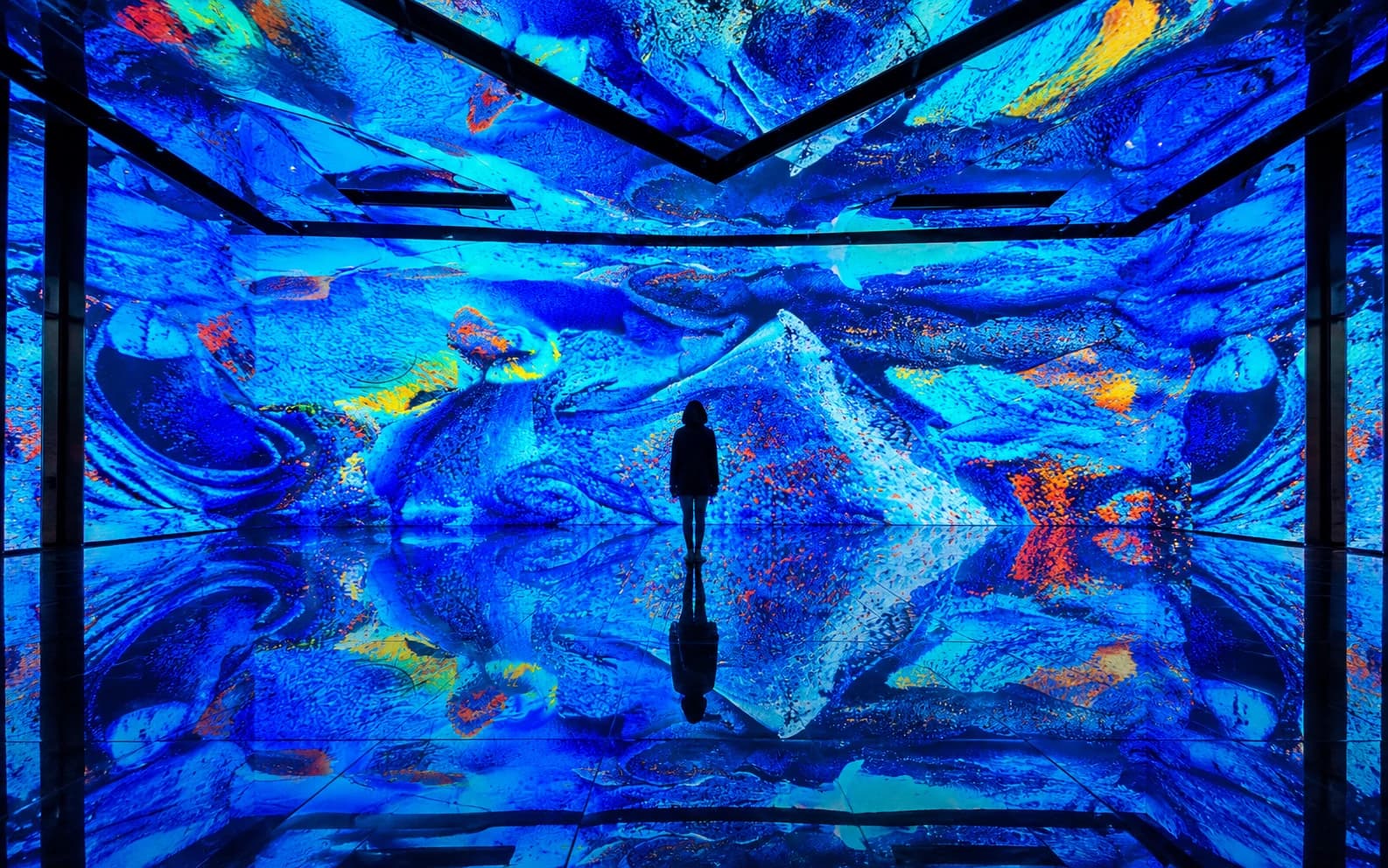
The Future of Immersive Experiences: Trends Shaping the Industry
15 July 2026 - Immersive experiences have rapidly evolved from niche attractions into powerful tools for communication, entertainment, education, and brand engagement. What was once considered an emerging technology is now becoming a fundamental part of how organizations connect with audiences. As digital innovation continues to accelerate, immersive experiences are no longer defined solely by impressive visuals—they are increasingly shaped by meaningful storytelling, intelligent interaction, and personalized engagement. The future of the industry lies in creating experiences that feel natural, memorable, and emotionally impactful.
One of the most significant trends is the growing demand for hybrid physical and digital environments. Rather than separating the digital world from the real one, immersive technologies are blending the two into seamless experiences. Museums, retail spaces, experience centers, and public venues are incorporating digital layers into physical environments, allowing visitors to interact with content while remaining fully connected to the space around them. This approach creates richer experiences without replacing the authenticity of real-world locations.
Another defining trend is the shift toward interactive participation. Audiences no longer want to simply watch—they want to influence the experience itself. Motion tracking, gesture recognition, touchless interaction, and real-time content adaptation are enabling immersive spaces to respond dynamically to every visitor. This level of participation transforms audiences from passive observers into active contributors, making every experience feel unique and personal.
Artificial intelligence is also beginning to reshape immersive environments. AI-powered systems can analyze visitor behavior, personalize content, and adapt digital experiences in real time. Instead of delivering the same journey to every audience, future immersive installations will be capable of responding intelligently to individual preferences and interactions. This creates opportunities for museums, brands, and entertainment venues to deliver experiences that feel increasingly relevant and engaging.
Sustainability is becoming another important consideration in immersive design. Digital installations offer organizations the flexibility to update exhibitions, campaigns, and experiences through content rather than physical reconstruction. Instead of building entirely new sets or displays for every event, projection mapping, LED technologies, and digital media allow spaces to evolve with minimal material waste. As environmental awareness continues to grow, this adaptability will become an increasingly valuable advantage across industries.
Immersive experiences are also expanding beyond traditional entertainment. Healthcare institutions are exploring calming digital environments to improve patient well-being, educational organizations are creating experiential learning spaces, corporations are investing in immersive experience centers, and cities are transforming public landmarks into interactive cultural destinations. These applications demonstrate that immersive technology is no longer limited to spectacular visual shows—it is becoming a versatile platform for communication, learning, and community engagement.
Equally important is the evolution of storytelling. While technology continues to advance, successful immersive experiences will always be driven by compelling narratives. Projection mapping, spatial audio, lighting, interactive media, and digital visuals are most effective when they support a clear creative vision. Organizations are increasingly recognizing that the emotional journey of the audience matters far more than the technology itself. The most memorable experiences are those where innovation becomes almost invisible, allowing the story to take center stage.
Looking ahead, the industry will continue moving toward experiences that are smarter, more adaptive, and more human-centered. As technology becomes increasingly integrated into everyday environments, audiences will expect immersive experiences to feel intuitive rather than extraordinary. Success will depend not only on adopting the latest innovations but on understanding how technology can enrich real-world interactions and strengthen emotional connections.
The future of immersive experiences is not simply about creating bigger projections or more advanced displays. It is about transforming ordinary spaces into meaningful environments where creativity, technology, and storytelling come together to inspire curiosity and connection. As industries continue to embrace this evolution, immersive experiences will play an increasingly important role in shaping how people learn, communicate, and experience the world around them.